

Jared | December 17, 2025 | Car Accidents
Car accidents can cause anything from temporary soreness to life-changing trauma. Knowing the difference between minor and major car accident injuries helps you protect your health, document what happened, and pursue fair compensation when another driver is responsible. Impact Legal Car Accident Attorneys help injured people in Arizona and New Mexico sort through these questions every day, so they can focus on recovery while the legal team handles the claim.
The information below explains how minor and major injuries are defined, why both types deserve attention, and what to do after a collision if you are hurt at any level of severity.
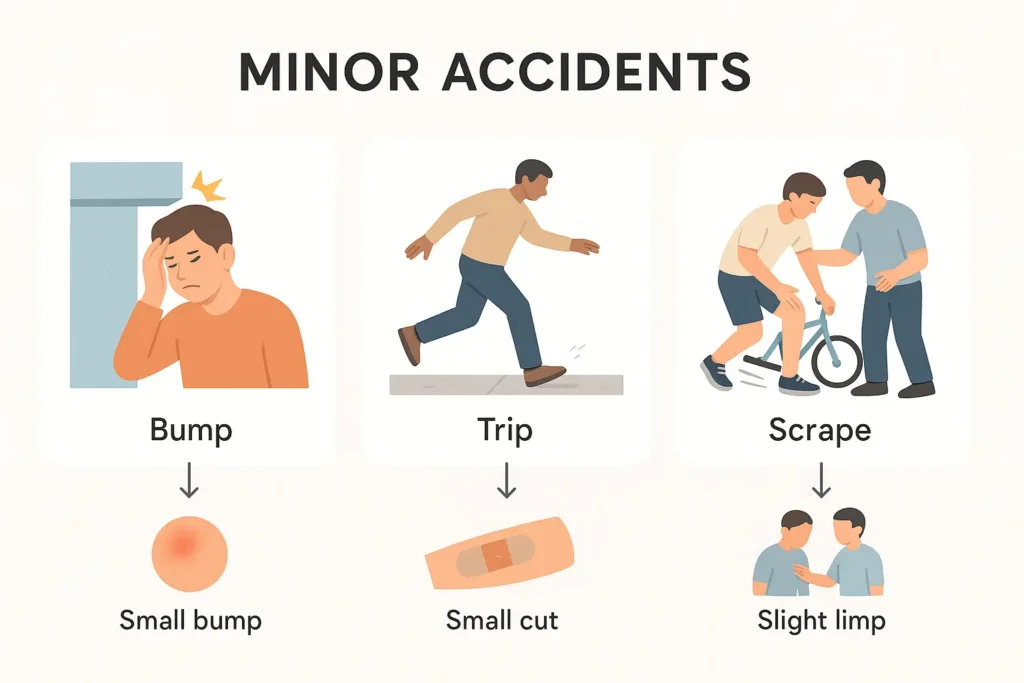
What Is Considered a Minor Car Accident Injury?
Many drivers think of a minor accident as “just a fender bender” and try to move on quickly. In reality, even a low-speed crash can lead to minor car accident injuries that interfere with work, sleep, and daily life.
Common Situations That Lead to Minor Accidents
Minor accidents often involve:
- Low-speed rear-end collisions in traffic
- Parking lot bumps and backing collisions
- Side-swipe contact when changing lanes
- Light impact that leaves only scratches or small dents on the vehicle
These collisions may not crush metal or shatter glass, but the sudden movement of your body can still cause accident injuries that deserve medical attention.
Common Minor Injuries After a Car Accident
Doctors often use the label “minor injuries” for conditions that usually heal with conservative treatment and do not immediately threaten life or limb. Examples include:
- Whiplash and other neck strains
- Back strains and soft tissue injuries
- Muscle or ligament sprains in the shoulders, knees, or wrists
- Bruises and tenderness
- Small cuts or abrasions
- Mild headaches without red-flag symptoms
Soft tissue injuries can be harder to see on imaging, but they may cause stiffness, reduced range of motion, or lingering pain. Some people experience increasing discomfort in the days after a minor accident as inflammation builds once the initial adrenaline fades.
Why Minor Injuries Still Matter
Minor injuries are often dismissed or minimized by both drivers and insurance companies. That can create problems later if:
- Pain becomes worse instead of better
- New symptoms appear, such as numbness or tingling
- You miss work, childcare responsibilities, or other activities
- The injury aggravates a prior condition
Early medical care gives you a treatment plan and creates records that connect your symptoms to the car accident. Those records can support a personal injury claim if you later need physical therapy, chiropractic care, or other treatment.
Major Car Accident Injuries and Their Long-Term Impact
Major car accidents typically involve higher speeds, larger forces, or more severe vehicle damage. These crashes may happen on freeways, at busy intersections, or when a distracted or impaired driver fails to react in time.
Examples of Major Accident Injuries
Major injuries usually require emergency treatment, surgery, or long-term rehabilitation. Common examples include:
- Traumatic brain injuries, including concussions with significant symptoms, brain bleeds, or skull fractures
- Spinal cord injuries that can lead to partial or complete paralysis
- Complex or compound fractures
- Crushed or amputated limbs
- Internal organ damage or internal bleeding
- Severe burns and disfiguring lacerations
These serious car accident injuries often change every part of a person’s life. Someone with a traumatic brain injury may deal with memory problems, mood changes, and difficulty concentrating. A person with a spinal cord injury may need mobility aids, home modifications, or full-time support.
Long-Term Physical, Emotional, and Financial Effects
The difference between minor and major car accident injuries is often most obvious in the months and years that follow a crash. Major injuries can lead to:
- Extended hospital stays and intensive care
- Multiple surgeries and complex rehabilitation
- Long-term prescription use and pain management
- Permanent disability or reduced earning capacity
- Difficulty returning to the same job or any job
- Anxiety, depression, sleep problems, or post-traumatic stress
Medical bills mount quickly, and family members may provide unpaid care or reduce their own work hours. A personal injury claim for a major car accident should account for both immediate bills and future needs, including ongoing treatment, assistive devices, and loss of future income.
How Professionals Distinguish Between Minor and Major Injuries
The phrase “difference between minor and major car accident injuries” might sound simple, but the real-world evaluation involves several factors.
How Doctors Classify Injury Severity
Medical professionals look at:
- The body system affected, such as brain, spine, or soft tissue
- Objective findings on examination and imaging
- Whether surgery or hospitalization is required
- The expected length of recovery
- The risk of permanent impairment
For example, a small muscle strain in the neck may be labeled a minor injury with a good outlook. A spinal cord lesion that affects mobility is a major injury with a very different effect on independence and quality of life.
How Insurance Companies Treat Minor vs Major Injuries
Insurance adjusters pay close attention to injury labels and medical records. They often argue that:
- Soft tissue injuries are “just soreness” and should resolve quickly
- Gaps in treatment mean the accident did not cause the symptoms
- Prior medical issues, not the car accident, explain current pain
In major car accident cases, insurers may question whether all treatment is truly necessary or whether a person can return to work sooner than doctors recommend. They may hire their own experts to downplay the seriousness of major injuries.
To protect yourself:
- Follow medical advice and attend all appointments
- Report new or changing symptoms to your doctor
- Keep copies of records, imaging results, and bills
- Track lost income, missed opportunities, and tasks you can no longer perform
When you work with Impact Legal Car Accident Attorneys, the legal team reviews these records with you and, when needed, consults medical experts who can explain the full impact of your accident injuries.
Steps to Take After Any Car Accident Injury
Whether you believe your injuries are minor or major, taking the right steps after a car accident can protect both your health and your legal rights.
Step 1: Seek Medical Care Right Away
Go to the emergency room, an urgent care clinic, or your primary care doctor as soon as you can. Prompt evaluation:
- Identifies injuries that are not immediately obvious
- Provides pain relief and a treatment plan
- Creates a medical record that ties symptoms to the accident date
If you later notice new pain, headaches, dizziness, or emotional changes, schedule a follow-up visit instead of waiting to see whether it fades.
Step 2: Document Everything
Good documentation helps show the difference between a minor and major car accident injury in your personal injury claim. Try to:
- Take photos of the vehicles, the crash scene, and any visible injuries
- Write down your symptoms each day, including pain levels and limitations
- Save receipts for medication, medical devices, and travel for treatment
- Keep track of missed workdays and lost income
This information gives your attorney a clearer picture of how the accident affected your life.
Step 3: Be Cautious with Insurance Communications
Notify your own car insurance company promptly, but be careful when speaking with any adjuster:
- Provide basic facts about the crash
- Avoid guessing about speed or fault
- Do not say you feel “fine” if you are still in pain
- Ask before agreeing to a recorded statement
If the idea of dealing with adjusters feels stressful, you can tell them that you prefer all communication to go through your lawyer once you have legal representation.
Step 4: Talk with a Personal Injury Attorney
Even in a minor accident, a short conversation with a lawyer can help you understand whether you may have a claim. In a major accident, legal support is especially important because the stakes are higher.
Impact Legal Car Accident Attorneys offers free consultations to review:
- The circumstances of the crash
- The nature of your minor or major injuries
- Available insurance coverage, including uninsured and underinsured motorist protection
- The types of damages that may be recoverable, such as medical costs, lost wages, future care, and pain and suffering
How Impact Legal Car Accident Attorneys Support Injury Victims
Impact Legal Car Accident Attorneys represents clients with both minor and major accident injuries in Phoenix and across Arizona, as well as in New Mexico. Our approach is personalized, practical, and focused on giving you room to heal while we handle the legal workload.
Support for Minor Accident Injuries
For people dealing with whiplash, soft tissue injuries, or other minor accident issues, the firm can:
- Coordinate with your medical providers to document symptoms and treatment
- Gather records that show how the injury affects work and daily tasks
- Push back against insurers who try to label your injury as insignificant
- Pursue compensation that reflects the real impact on your life
Even so-called minor accidents can lead to months of discomfort, missed shifts, or ongoing therapy. Having an advocate helps prevent your experience from being reduced to a simple line item.
Support for Major Car Accident Injuries
For victims of major car accidents and serious injuries, Impact Legal Car Accident Attorneys may:
- Work with specialists to understand future care needs and life-care planning
- Calculate long-term losses, including diminished earning capacity
- Negotiate assertively with insurance companies that resist paying full value
- Prepare your case for trial if the insurer refuses a fair settlement
Free Consultation and Next Steps
If you or a loved one has been injured in a car accident, you do not have to sort everything out alone. Contact Impact Legal Car Accident Attorneys for a free consultation. You can speak with a Phoenix personal injury lawyer about whether your injuries are likely to be treated as minor or major, what your options are, and how to protect your claim moving forward.
This resource is for general information only and does not create an attorney-client relationship. For advice about your specific situation, reach out directly to Impact Legal Car Accident Attorneys to discuss your accident and injuries.