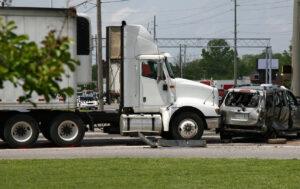
Thank you Impact Legal for all the work you did to help my parents. Your constant communication with my parents was above and beyond.
Jesse Navarro • Client testimonial
What to Do After Being Hit by a Truck: Steps for Car Accident Victims Who Are Injured
After a truck crash, safety and medical care come first. Once you can, identify the truck and companies, save the records that may disappear, and keep your insurance questions organized. This free Arizona guide walks through the next steps, with printable worksheets and practical explanations.
Start with safety and care. Then take the next useful step.
Five places to start
01Get help
Emergency response and safety first.
02Follow up on care
Keep instructions; raise concerns.
03Find your vehicle
Ask who has it, what storage costs and whether it's being moved.
04Save the originals
Back up photos, messages and paperwork without editing them.
05Notify your insurer
Follow your policy; keep injury and vehicle contacts separate.
On worksheet 1, write down who will help with the next step and when you'll follow up.
Take care of yourself first
Call 911 for injuries or immediate danger. Stay out of traffic and follow responders' directions. Arizona requires immediate notice to law enforcement after an injury or death crash. A.R.S. § 28-666
Tell a qualified clinician about the crash and your symptoms. Follow their care instructions and report new or worsening concerns. Your health should guide treatment decisions, not a claim target.
If you left by ambulance
Someone you trust can help with your permission. Start with discharge papers, an officer's card, your vehicle's location and other occupants' contacts. Your helper should explain their role and get required authorizations. Being family doesn't automatically authorize signing legal or medical documents for you.
No scene photos? Use the records pages that follow. Don't recreate the crash or reconnect damaged electronics to look for data.
Truck crash guide
02 · Who's who
Get the names straight
The driver, trucking company, trailer owner and insurer may all be different.
Illustrated examples; identifier locations vary. Gather details only when it is safe and you have permission.
The details to write down
Driver
Name and contact details
Operating carrier
Company name · USDOT · MC, if shown
Tractor
Plate/state · powered-unit number
Trailer
Its own plate/state · trailer-unit number
Claim handler
Insurer · adjuster · claim number · whom they represent
These details help you find people. They don't prove ownership, employment, coverage or fault.
Copy the details exactly
Write names and numbers exactly; note the photo, report page or document they came from. A logo alone doesn't tell you who's legally responsible. Gather scene details only when safe. Mark missing information unknown.
Truck crash guide
Company lookup / Check the match
Find the company. Check the match.
Keep the name, number, search result and date together. A similar name is a reason to check again.
Search. Compare. Save.
Search the identifier
Use the company name, USDOT number or MC number from your records.
Compare the result
Check the name and address against the records you already have.
Save the result and date
Flag a mismatch for your lawyer instead of choosing the nearest name.
A company snapshot is one part of the record, not a decision about responsibility or insurance.
The USDOT number can help
FMCSA's company-records page links to the free SAFER Company Snapshot. Search by name, USDOT number or MC number. Compare the name and address with your records; save the result and the date. If they don't match, flag that for your lawyer instead of picking the closest name.
The snapshot provides selected company and safety information. A crash count doesn't mean the company caused those crashes, and a missing safety rating doesn't decide your claim. The search won't necessarily find everyone who may be responsible or tell you whether insurance covers this crash.
Your lookup record
Truck crash guide
03 · Finding the missing pieces
Start with the records
No scene photos? There may still be plenty to follow up on.
Who handled the crash?
Arizona DPS
Use DPS's instructions for crashes it investigated.
Ask that agency for its records and request instructions.
You're not sure
Check an officer's card or insurer records. Have the crash date and location ready.
You don't have to wait for a finished report to ask a lawyer for advice.
Ask the agency that investigated
Give the crash date, location, report number and names. Ask about photos, dispatch records and video too. Access, availability, cost and timing vary. Save your request confirmation and the files you receive.
Spot an error? Note the page and the specific detail, then ask how to request a correction or add information. Keep the original report too. It can help explain the crash, but it doesn't settle every question about civil responsibility.
Follow these leads
Care records: treatment locations, discharge papers and ambulance information.
Tow records: ask the agency or insurer, then confirm the location with whoever has your vehicle.
Other people: ask for original photos or video. Keep each person's account in their own words.
Cameras: note nearby businesses, homes or vehicles that might have recorded the crash.
Truck crash guide
04 · Keeping the evidence
Save it as you found it
Keep track of the original, who has it and what needs to happen next.
Keep originals. Make copies.
Save full photos, videos, emails, attachments and messages with their context. Keep devices or storage cards. Make notes on copies. Don't take apart, test or discard items that may matter.
Before vehicle changes that could destroy evidence, ask your lawyer about an inspection and what needs saving. Ask the insurer and vehicle holder about towing and storage costs.
Don't count on six months
If this federal rule applies, carriers must keep specified duty-status records and supporting documents for at least six months from receipt. That's no promise about camera footage or crash-event data. Exemptions and other preservation duties matter. 49 CFR § 395.8
ItemOriginal locationWho has itCopy savedNext step
Use these fields on the evidence worksheet. Don't assume one device contains everything.
Truck crash guide
05 · When the phone rings
Who's on the other end?
Before you get into the details, find out who's calling and whom they represent.
Your insurer and theirs
Get the basics down
Note the caller's name, company, callback number, claim number and whom they represent. Ask whether it's recorded. Check unexpected callers through a known insurer contact before sharing sensitive information.
Be truthful about what you saw and what you're inferring. Say if you don't know or remember. Don't guess about speeds, distances or how your injury will develop.
Your own insurer
Your policy may require notice, cooperation, documents or statements. Handle those requirements promptly; ask for clarification in writing.
Ask what they're waiting for
If the insurer is investigating coverage, ask whose policy, what information is missing and when you should follow up. Coverage is whether the policy applies. Fault is who was responsible. An answer to one doesn't automatically answer the other.
Save messages with dates and senders. Separate injury and vehicle-damage contacts, even at the same insurer. Our truck-insurance guide explains more.
The truck company's insurer
Get advice before giving a recorded account, signing a broad medical authorization or accepting a release.
Advice about the other side's insurer doesn't automatically apply to your obligations under your own policy.
Truck crash guide
06 · Care, bills and work
Keep the numbers straight
Give each injured person a separate folder. Add records as they arrive.
Give each amount its own column
Billed charges
What the provider billed
Insurance payments
What the records show was paid
Remaining balances
What's still being claimed
Repayment demands
Who wants reimbursement, and why
Don't treat every number as another valid deduction. Ask how the amounts connect and what still needs resolving.
Keep an honest record of recovery
Save treatment records, discharge instructions, bills, insurance explanations of benefits, receipts and written work restrictions. Note appointment dates and expenses. Keep the clinician's words as written.
A short dated note can describe a task you couldn't finish, help you needed or a symptom you discussed with a provider. Include improvement too. If emotional symptoms or driving anxiety are affecting you, talk with a qualified clinician. Your notes don't replace a diagnosis.
Show how work changed
Keep pay records, missed shifts, employer messages and restrictions on your duties. If you're self-employed, save records showing the affected work, expenses and income. Lost sales aren't automatically lost profit. Our lost-income guide lists helpful documents.
Truck crash guide
07 · Dates and decisions
Check the dates
An open claim doesn't handle lawsuit deadlines or evidence that needs saving.
Arizona deadlines to ask about
2 years
General personal-injury lawsuit
Generally runs from accrual, when the legal clock starts. Exceptions may apply.
These aren't successive steps on one timeline. Ask which requirements apply to you and when each clock starts.
Have a lawyer check the dates
Do this early, especially if a government vehicle or road condition may be involved. The claim type, exceptions and when the legal clock starts need review. These periods can't calculate your deadline.
Evidence may need attention well before a lawsuit is due. You can focus on care while someone helps with records and your lawyer works out what needs saving.
Read what the payment settles
Before accepting payment, check which people or businesses the agreement covers and whether you're releasing vehicle-damage, injury or other claims. Discuss unanswered questions about care, expenses, insurance and repayments.
Vehicle damage and injuries may be handled on different schedules. What matters is the document you're signing. Ask for an explanation if its terms don't match what you thought the payment was for.
Truck crash guide
08 · Your next conversation
Bring what you have
Bring your records and questions. You can work through missing pieces together.
Four pages to keep beside your records
Worksheet 1Crash details and first steps
Where it happened · investigating agency · vehicle location · what to do next
Worksheet 2Truck details and claim contacts
Driver · operating carrier · tractor and trailer · adjusters
Worksheet 3Evidence and leads
What exists · where originals are · witnesses and cameras
Worksheet 4Care, work and questions
Records to gather · questions for your lawyer · follow-up steps
General Arizona information. Advice for your claim depends on your facts, the law and your policy terms.
Ask these six questions
Which people or companies should we look into?
What evidence could be lost, and who has it?
Which policies might apply, and what don't we know?
What are my deadlines, including government notice requirements?
Can you explain fees, expenses and possible repayments in writing?
Who will update me, and what should I bring next?
A few answers before you call
Can I ask for help before the report is ready? Yes. Bring the date, location, agency and report number, if known. Other evidence may need attention while you wait.
Does a big policy mean a big settlement? No. The policy or its limit doesn't prove fault, show your losses or establish coverage for this crash. Someone else's settlement won't answer those questions.
What do I do with these worksheets? Keep them private. Mark unknowns, attach copies and secure originals. They aren't legal filings, preservation notices or deadline calculators.
Fill in what you know and mark what you don't. Keep this with your private records.
01First actions
Follow care instructions; raise new concerns with a clinician.
Notify your own insurer under your policy.
Request available records from the investigating agency.
Ask about evidence preservation before vehicle changes.
Save original files and record witness/camera leads.
Ask counsel about evidence needs and legal deadlines.
02Next action and who will help
Truck crash guide
WORKSHEET 02 / KEEP WITH YOUR RECORDS
Who is who? Write it down.
Copy names and numbers exactly, and note where you found them. A logo alone doesn't tell you who's legally responsible.
01Truck and company identifiers
Identifier
Exactly as shown
Source / photo / person
Driver name
Carrier / operating name
USDOT / MC number, if shown
Tractor plate / state / unit
Trailer plate / state / unit
02Claim contacts
Company / adjuster / represented party
Claim number / contact
Next action / follow-up date
The trucking company, vehicle owners and insurer may be different organizations. Ask each contact who they represent. Write 'unknown' instead of guessing.
Truck crash guide
WORKSHEET 03 / KEEP WITH YOUR RECORDS
What you have. Where it is.
Note where the originals are, who's holding them and what you're allowed to do next.
01Evidence and current custody
Item / date / source
Original location / holder
Copy saved / next action
Photos or video
Report / agency records
Vehicle / physical item
Messages / documents
Other
02Witness and camera leads
Person / camera location
Contact / what may be available
Request / response / follow-up
Keep what you saw separate from what someone told you. Don't alter, test or throw away possible evidence. A camera nearby doesn't guarantee a recording exists.
Truck crash guide
WORKSHEET 04 / KEEP WITH YOUR RECORDS
Care, work and open questions
Give each injured person a separate folder. Track what's missing and who's helping you find it.
01Records to locate
Provider / employer / record
Date range / contact
Requested / received / still needed
02Questions for counsel
Check legal deadlines even if the insurance claim or records request is still open. Keep originals safe and use a trusted channel for sensitive records.
Your privacy choices We use analytics and advertising technologies while you browse. Optional tracking is on. Select OK to keep it on, or turn it off below. Forms and phone links work either way.